
Trust Registration Service in Karachi — Trust Deed, Registration and Compliance
We offer an accurate and quick trust registration service in Sindh: we draft your trust deed, prepare the trustee affidavits and beneficial ownership details, register the trust with the Industries and Commerce Department under the Sindh Trusts Act, 2020 and help move the trust property into the trust’s name.
- ✓ First 15 minutes free with Advocate Sobia Mohsin; our fees quoted in writing before work starts
- ✓ For families, business owners and employers setting up a private, family or employee fund trust in Karachi and Sindh
- ✓ Trust deed, affidavits, registration file and property transfer documents covered
- ✓ Advocate-led, in practice since 1985
Office 1 — DHA Phase 7, Karachi · Office 2 — Gulistan-e-Jauhar, Karachi · WhatsApp +92 316 6644789 (24 hours, 7 days)
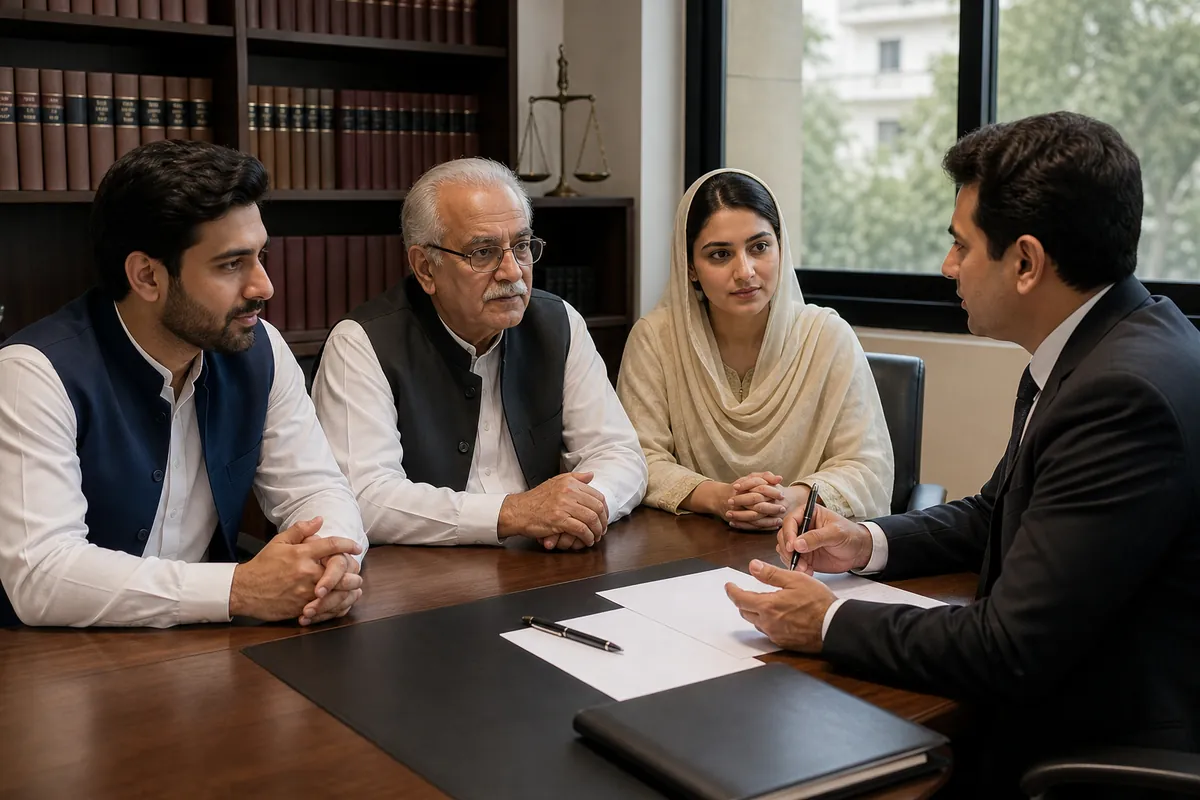
Trust Registration in Sindh, Handled by Senior Advocates With Decades of Practice
Planning to hold family property, savings or an employee fund through a trust? Since 2020, Sindh has had its own trust law, and a trust in Karachi cannot operate until it is registered. This guide, reviewed by a senior advocate of the Supreme Court, explains how trust registration in Sindh works and what we do for you at each step.
Executive Summary — Trust Registration in Sindh
What the Service Is and Who Needs It
The Sindh Trusts Act, 2020 governs trusts created in Sindh. A trust is an arrangement in which an author places property with trustees to hold for beneficiaries. Under section 12, no trust may function until it is registered with the Assistant Director of the Industries and Commerce Directorate. Waqf and religious or charitable endowments are outside this Act.
How It Works
We draft a trust deed that states the purpose, the author, the trustees, the beneficiaries and the trust property. The trustees then file the application with full details of everyone involved, including anyone with ultimate effective control. The application is verified through the investigating agencies, a certificate of registration is issued, and the trust property is registered in the trust’s name.
Fees, Time and How to Start
Our fees depend on the size and type of trust and are given in writing before work starts. How long registration takes depends on verification and the department, so we do not promise a date. Message us on WhatsApp +92 316 6644789 with a short note of what you want the trust to do. Offices: DHA Phase 7, Karachi and Gulistan-e-Jauhar, Karachi.
Reviewed by Syed Akhtar Rizvi, Advocate Supreme Court · Published by Qanoon House · Last updated: 28 November 2026
Which Trusts the Sindh Trusts Act Covers
Private and Family Trusts
The Act covers trusts of movable and immovable property created for the benefit of beneficiaries, such as a trust to hold family property for children or to manage a family business share. It extends to the whole of Sindh and repealed the Trusts Act, 1882 for the province (section 120).
Employee Funds and Other Specialised Trusts
The Sindh Trusts (Amendment) Act, 2021 added section 12-A on the registration of specialised trusts, such as provident and gratuity fund trusts. These generally need a no objection certificate from the relevant regulator as part of registration. We check the current text and the regulator’s requirements for your fund before filing.
What Falls Outside the Act
Section 1(4) says the Act does not affect the rules of Muslim law as to waqf and does not apply to public or private religious or charitable endowments. An organisation that collects donations for charitable purposes in Sindh is regulated by the Sindh Charities Registration and Regulation Act, 2019 and the Sindh Charity Commission. If your aim is a not-for-profit body, a company under section 42 of the Companies Act, 2017 may also be an option; we advise on the right route at the first meeting.
How a Valid Trust Is Created
Under section 4, a trust is created when the author indicates with reasonable certainty an intention to create a trust, its purpose, the beneficiary and the trust property, and transfers the property to the trustee (unless the author is the trustee or the trust is made by will). A trust for an unlawful purpose is void, and if one of several purposes is unlawful, the whole trust is void.
A trust of immovable property is valid only if it is declared by a written, signed and registered instrument, or by will, and ownership is transferred to the trust (section 3). This is why a well-drafted, registered trust deed is the foundation of trust registration in Sindh.
Registration With the Industries and Commerce Department
The Application and Beneficial Ownership Details
Section 13 requires the trustee to give the Assistant Director the purpose of the trust and details of the author, the trustees, the beneficiaries and any other natural person who exercises ultimate effective control over the trust. Where there are several trustees, they nominate one trustee to provide the information. Each trustee also gives an affidavit that they have read and understood the duties of a trustee (section 10).
Verification and Certificate of Registration
The Director has the application verified through the investigating or prosecuting agencies (section 14). Once the legal requirements are met, the Assistant Director registers the trust and issues a certificate of registration to the trustee (section 16). Registration can be refused, with written reasons, if the purpose is unlawful, a person involved is proscribed, the trust is considered a security threat or personal details are incomplete.
Trust Property in the Trust’s Name
Section 15 requires movable and immovable trust property to be registered in the name of the trust under the Registration Act, 1908, with the details of the author, beneficiaries and trustees. For land or a flat in Karachi, this means registered documents and updated records with the relevant registration office or housing society.
Step-by-Step: Trust Registration in Sindh With Qanoon House
- Consultation — we discuss what the trust is for and check whether the Sindh Trusts Act, the charities law or another structure fits.
- Trust deed — we draft the deed with a clear purpose, powers of trustees, rules for replacing trustees and the trust property.
- Affidavits and details — we prepare the trustee affidavits and the beneficial ownership information the Act requires.
- Execution and registration of the deed — the deed is signed and registered where the law requires it.
- Application to the Assistant Director — we file the registration application and follow up during verification.
- Property transfer and compliance set-up — we help register the trust property in the trust’s name and set up the accounts and reporting the trustees must keep.
Trustee Duties After Registration
Registration is not the end. Section 32 requires trustees to:
- keep clear and accurate accounts of the trust property and income
- give a beneficiary full and accurate information about the trust property on request
- update the information about the author, beneficiaries, trustees and controlling persons in good time
- have the accounts audited by a third party at least once a year
- submit financial reports to the Assistant Director in every financial year
- keep the records for at least five years after their involvement ends or the trust is extinguished
Trustees must also disclose that they are trustees when dealing with banks and other reporting entities (section 23). The Department and competent authorities can ask for information at any time (sections 17 and 20).
Penalties for Non-Compliance
Under section 17, the Director can impose a financial penalty on a trustee who acts against the trust’s purpose or fails to provide required information. If the penalty is not paid, the Director can take legal action through a court, which can lead to imprisonment. A trust that fails to meet the registration requirements also risks being extinguished, so existing trusts in Karachi should check their status.
Documents to Bring
- CNIC copies of the author of the trust, every trustee and every beneficiary
- a note of the trust’s purpose and how you want it run
- title documents of any property to be placed in the trust (sale deed, lease, society transfer letter)
- bank details for any money or investments to be placed in the trust
- for an employee fund: the fund rules and any regulator correspondence
- for an existing trust: the old trust deed and any earlier registration papers
Your Trust Registration Lawyers in Karachi
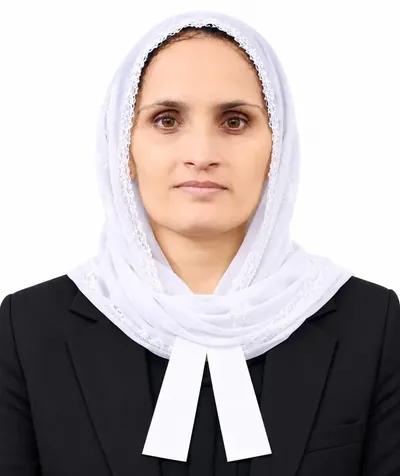
Advocate, Karachi
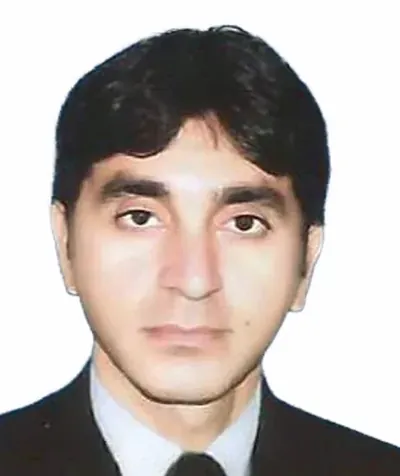
Advocate High Court, Karachi
Our Karachi advocates draft the trust deed, prepare the registration file and deal with the department on your behalf. Consultation fees are set out on our fees schedule; please bring your documents and a short summary so the advocate can understand the matter quickly.
Related Services
See our guide to hiba of property in Sindh, the will (wasiyat) in Pakistan guide, our family settlement deed service and company registration services in Karachi if you are choosing between a trust and a company.
Frequently Asked Questions About Trust Registration in Sindh
1. Which law governs trust registration in Sindh?
The Sindh Trusts Act, 2020 (Sindh Act No. XXIX of 2020), as amended by the Sindh Trusts (Amendment) Act, 2021. It replaced the Trusts Act, 1882 for the Province of Sindh, including Karachi.
2. Is registration of a trust compulsory in Sindh?
Yes. Section 12 says no trust shall be functional unless it is registered under the Act with the Assistant Director of the Industries and Commerce Directorate. A trust that is not registered cannot lawfully operate.
3. Who registers a trust in Karachi?
Registration is made with the Assistant Director in the district, working under the Industries and Commerce Department, Government of Sindh. The Director has the application verified through the investigating or prosecuting agencies before a certificate of registration is issued.
4. Does the Sindh Trusts Act cover waqf and charitable trusts?
No. Section 1(4) says the Act does not affect the rules of Muslim law as to waqf and does not apply to public or private religious or charitable endowments. A body that collects donations for charitable purposes in Sindh is regulated under the Sindh Charities Registration and Regulation Act, 2019, so we check which law fits your purpose before drafting.
5. What information is needed to register a trust?
Under section 13 the trustee gives details of the trust’s purpose, the author of the trust, the trustees, the beneficiaries and any other natural person who exercises ultimate effective control over the trust. Each trustee also gives an affidavit that they have read and understood their duties (section 10).
6. Must trust property be transferred into the trust's name?
Yes. Section 15 requires movable and immovable trust property to be registered in the name of the trust under the Registration Act, 1908, with the details of the author, beneficiaries and trustees. A trust of immovable property is valid only if declared by a registered written instrument or by will, and ownership is transferred to the trust (section 3).
7. What are a trustee's yearly duties after registration?
Section 32 requires trustees to keep clear accounts, have them audited by a third party at least once a year, submit financial reports to the Assistant Director every financial year, keep the trust’s information up to date and keep records for at least five years.
8. What happens if a trustee does not comply?
The Director can impose a financial penalty on a trustee who breaches the trust’s purpose or fails to provide required information, and further legal action through a court can lead to imprisonment (section 17). A trust that fails to meet the registration requirements also risks being extinguished.
Official Sources
- Sindh Code — The Sindh Trusts Act, 2020 (Sindh Act No. XXIX of 2020)
- Sindh Code — The Sindh Trusts (Amendment) Act, 2021
- Sindh Code — Government of Sindh laws portal
- Sindh Charity Commission — Sindh Charities Registration and Regulation Act, 2019
Reviewed by Syed Akhtar Rizvi, Advocate Supreme Court · Published by Qanoon House · Last updated: 28 November 2026. This guide is general information; legal advice depends on your documents, the applicable law and the facts of the matter.
Register Your Trust in Sindh With Qanoon House
Bring with you: CNICs of the author, trustees and beneficiaries, the property documents and a note of the trust’s purpose. Office 1 — DHA Phase 7, Karachi · Office 2 — Gulistan-e-Jauhar, Karachi · WhatsApp +92 316 6644789 (24 hours, 7 days).
Talk to a Lawyer About This Matter
Send a short summary of your matter on WhatsApp. Please do not send passwords, banking PINs or other credentials.